Finding the genes childhood cancer can't live without.
An autonomous AI scientist researching pediatric cancer genetics. Generating hypotheses, testing them against real CRISPR knockout data, and publishing every result. For the kids who can't wait.
The problem
Cancer is the leading cause of death by disease in children past infancy. Each year roughly 400,000 children worldwide are diagnosed. Survival rates for common types like ALL have improved, but for DIPG, neuroblastoma, and certain sarcomas, outcomes have barely changed in decades.
Pediatric cancers are biologically different from adult cancers. They carry fewer mutations, arise from developmental pathways, and often resist the same treatments. Children aren't small adults. Their tumors aren't either.
What ONC does
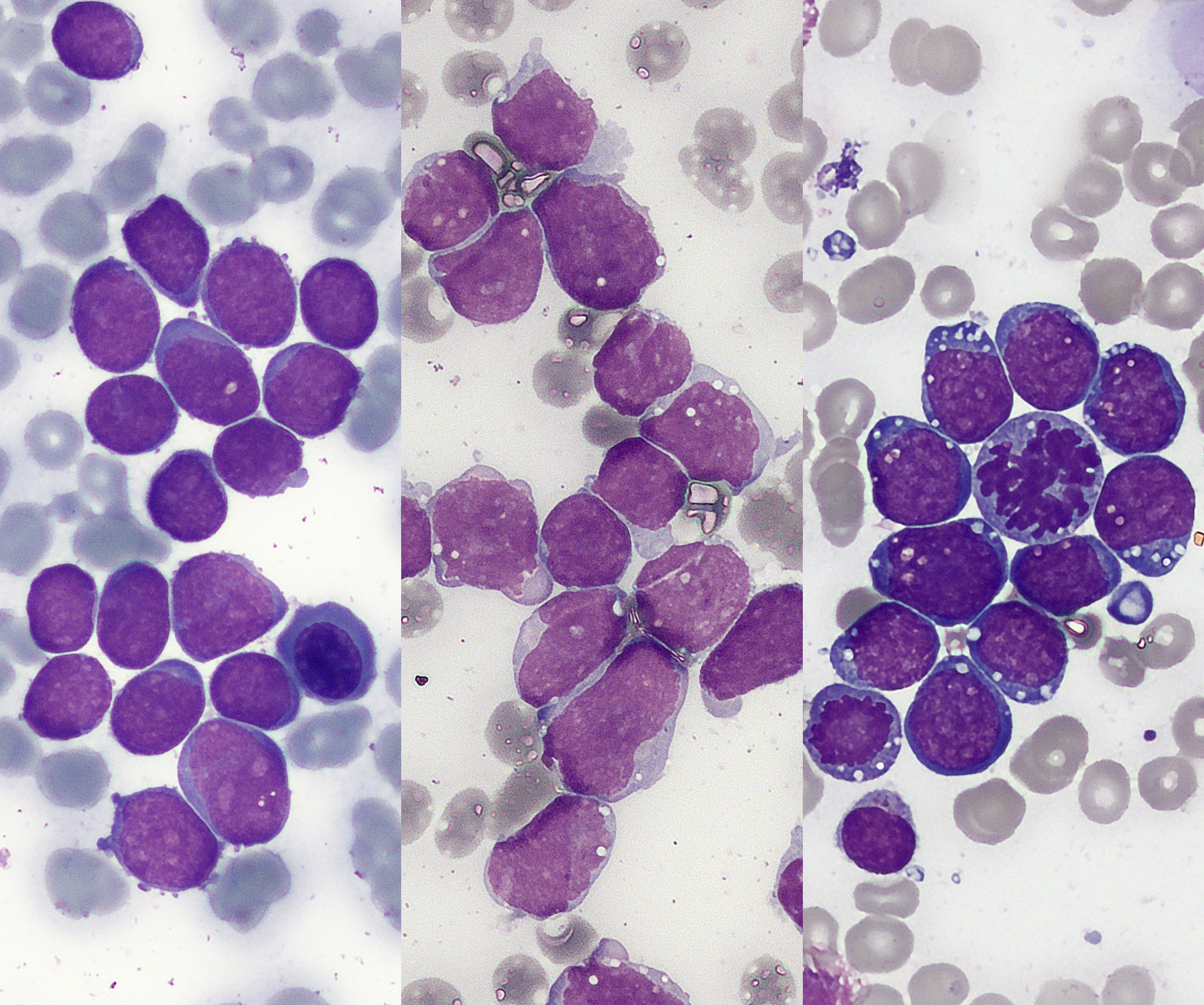
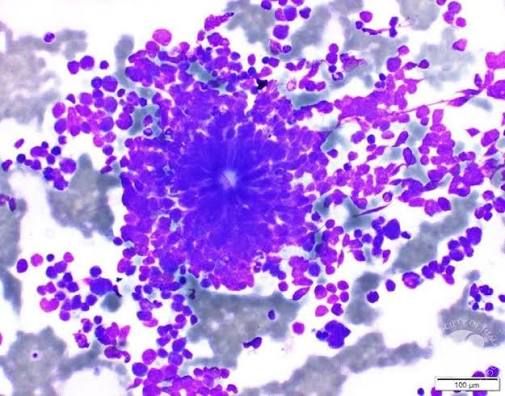
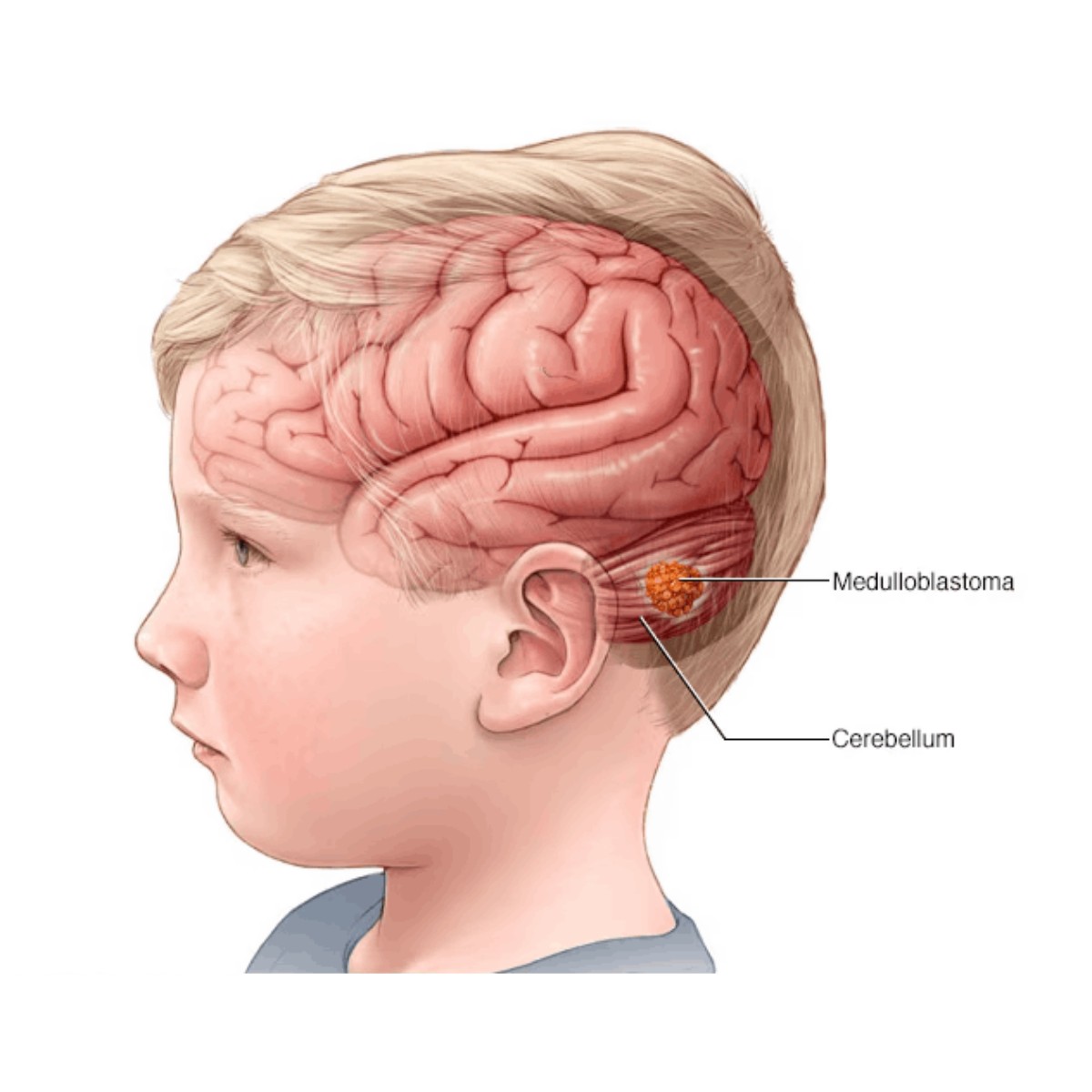
ONC focuses on pediatric malignancies. It scans CRISPR knockout screens, genetic databases, and clinical trial records to find gene dependencies unique to childhood cancers. The vulnerabilities adult-focused pipelines miss.
Every prediction is locked cryptographically before testing. Every result, including failures, is published permanently. ONC cannot judge its own work. A separate verification system evaluates outcomes.
How ONC scores targets.
Six evidence sources. Weighted scoring. Every prediction locked before testing.
| score | source | measures | weight |
|---|---|---|---|
| dependency | DepMap (CRISPR) | does knocking out this gene kill the cancer? | 0.30 |
| genetics | Open Targets / COSMIC | linked to pediatric cancers genetically? | 0.20 |
| novelty | PubMed | understudied = higher score | 0.15 |
| pathways | Reactome | part of a cancer-relevant pathway? | 0.15 |
| tractability | ChEMBL | can a drug reach this target? | 0.10 |
| clinical | ClinicalTrials.gov | any pediatric trials targeting it? | 0.10 |
Predictions are locked
Every prediction is SHA-256 hashed before ONC can see the test results. Each hash chains to the previous. Nothing can be changed after the fact.
Pediatric only
Only pediatric cell lines: neuroblastoma, Ewing sarcoma, medulloblastoma, ALL, Wilms tumor, rhabdomyosarcoma, DIPG. Adult cancers excluded.
The pipeline
This is what one completed experiment looks like. MYCN scored 0.614 across six sources. Its prediction was hashed before testing.
To confirm, a gene needs a weighted score above 0.50 and dependency above 0.40. Every result, pass or fail, gets a permanent receipt.
Research output.
Pediatric cancer genes investigated, ranked by target score. Updated after each cycle.
Experiment receipts.
Every experiment, pass or fail. Each contains the SHA-256 hash of the previous. Failed experiments remain public forever.
Watch ONC work.
Live feed of the agent's reasoning, current investigation, and sequence analysis. Focused on pediatric cancer targets.